

Never Hesitate to Call 911
If you ever suspect that someone has overdosed on prescription medicine or other drugs, calling 911 immediately could save their life—and relieve you of a lifetime of guilt, whether you deserve to feel it or not. Mississippi’s Medical Emergency Good Samaritan Act protects those who alert emergency services in the event of an overdose, even if they are in possession of illegal drugs. Click here to read this important legislation.
Heed the Warning Signs
- Are there any dangerous medications or drugs near the person?
- Is there medication packaging or drug paraphernalia near the person (empty medication bottles, needles, etc.)?
- Is the person unconscious and will not wake up?
- Is the person breathing, or is their breathing shallow or irregular?
- Is their skin cold or clammy, or does it appear pale or blue?
- Is the person snoring or gurgling strangely as if they may be choking on fluids?
- Does the person’s heartbeat feel weak or irregular?
- If awake, do the person’s pupils seem unusually small?
- If awake, is the person acting strangely, sluggishly, or incoherently?
If the answer to one or more of these questions is YES, call 911 immediately and describe the state of the person to the 911 operator as calmly and specifically as you can.
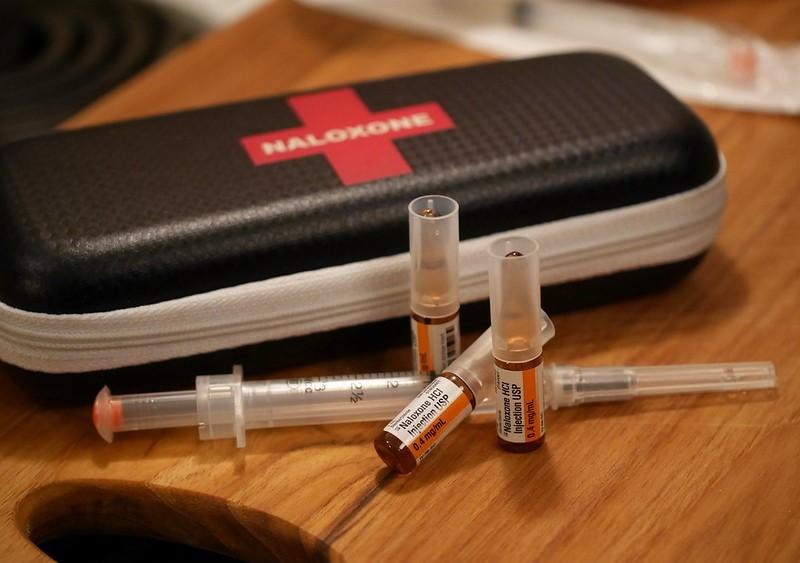 Naloxone Can Reverse an Opioid Overdose
Naloxone is a drug that can reverse an overdose from opioids, including heroin, fentanyl and prescription opioid medications. If you or someone you know is at an increased risk for opioid overdose, you should carry naloxone and keep it at home. Naloxone is available over-the-counter or by requesting a prescription from your local pharmacist. The pharmacy will charge you retail price, or a co-pay if it is covered by your insurance. Click here to learn more about it, how it works, and how to get naloxone with no out-of-pocket cost.